
The right nose, at the right time.
Many people first think about their nose in their teens or early twenties, after an injury, because of blocked breathing, or because it has never felt like theirs. Rhinoplasty can help young people, but timing matters. We check that the nose has finished growing, that the young person is ready, and that the family is part of the decision.
Medically reviewed by Prof. Dr. Sriprakash Vinnakota, MBBS, MS (ENT, Head & Neck), Chief Rhinoplasty Surgeon, Centre for Advanced ENT, Head & Neck Surgery, MicroCare ENT Hospital & Research Institute.
- Girls
- From about 15 to 16
- Boys
- From about 17 to 18
- Under 18
- Parental consent
- Splint removed
- About day 7
- Back to college
- 7 to 10 days
- Contact sports
- After 3 months
What is rhinoplasty in youth?
Rhinoplasty in youth means nose surgery for teenagers and young adults, usually between about 15 and 25 years of age. The operation itself is the same as for adults: the bone, cartilage and septum are reshaped to change how the nose looks, how it breathes, or both.
What is different is the planning. A young nose may still be growing, a young person is still forming their sense of identity, and, under 18, the decision is shared with parents. Getting these right is what makes the result last.
Cosmetic rhinoplasty
Reshapes a hump, a wide or drooping tip, or a crooked bridge, and is done only after growth is complete.
Cosmetic rhinoplastyFunctional rhinoplasty
Corrects a deviated septum or collapsed valves that block the airway, and can affect sleep, sport and concentration.
Functional rhinoplastyParents and young people often find it helpful to read Prof. Dr. Vinnakota's book Your Best Nose, which answers 100 common rhinoplasty myths, before the consultation.
When is the nose ready?
The nose grows through childhood and has a growth spurt during puberty. Cosmetic surgery done before growth ends can be changed by later growth, so we wait until the nose has reached its adult shape.
About 15 to 16 years
Nasal growth usually finishes one to two years after periods begin.
About 17 to 18 years
Growth continues for longer, so boys usually wait a little more.
Checked, not assumed
We look at height growth over the last year, the examination and, if needed, facial photographs over time before confirming.
Why young people consider rhinoplasty
- A nasal hump that becomes noticeable during the teenage years. Nasal hump correction.
- A broad, bulbous or drooping tip. Nose tip correction.
- A crooked nose, often after a fall or a sports injury. Crooked nose correction.
- Blocked breathing from a deviated septum, affecting sleep, study and sport.
- A nose that is out of proportion with the rest of the face.
- Nose shape linked to a cleft lip, often planned in stages with the cleft team.
When surgery may be needed earlier
Some problems should not wait for growth to finish. In these situations we operate earlier, and keep the surgery as limited and gentle as possible so that growth is not disturbed:
A recent nasal fracture
A broken nose is best reset within about 1 to 2 weeks, before the bones set in the wrong position.
Post-accident nose deformitySevere blockage
A badly deviated septum that affects breathing, sleep or growth can be corrected conservatively.
Septal haematoma or abscess
A blood clot or infection inside the septum after an injury needs urgent drainage to protect the cartilage.
Emotional readiness matters as much as growth
A good result depends on the young person being ready, not just the nose. At consultation we gently look for:
- The wish comes from the young person, not from a parent, friend or partner.
- A specific concern that can be described and seen, rather than a general unhappiness.
- Realistic expectations. Rhinoplasty can improve the nose, but it cannot change a life or copy someone else's face.
- Maturity to follow aftercare, including protecting the nose from knocks and keeping follow-up visits.
A note for parents
Under 18, you decide together
A parent or legal guardian must give written consent and attend the consultation. We explain the plan, the risks and the recovery to both of you.
Take the concern seriously
Teasing about the nose can be hurtful. Talking openly, and getting an honest specialist opinion, is often reassuring even if surgery is not the answer.
Plan around school and college
Holidays and semester breaks allow time for the splint and the early swelling.
Recovery at home
The first week goes best with a parent nearby to help with rest, medicines and cold compresses.
Patient results
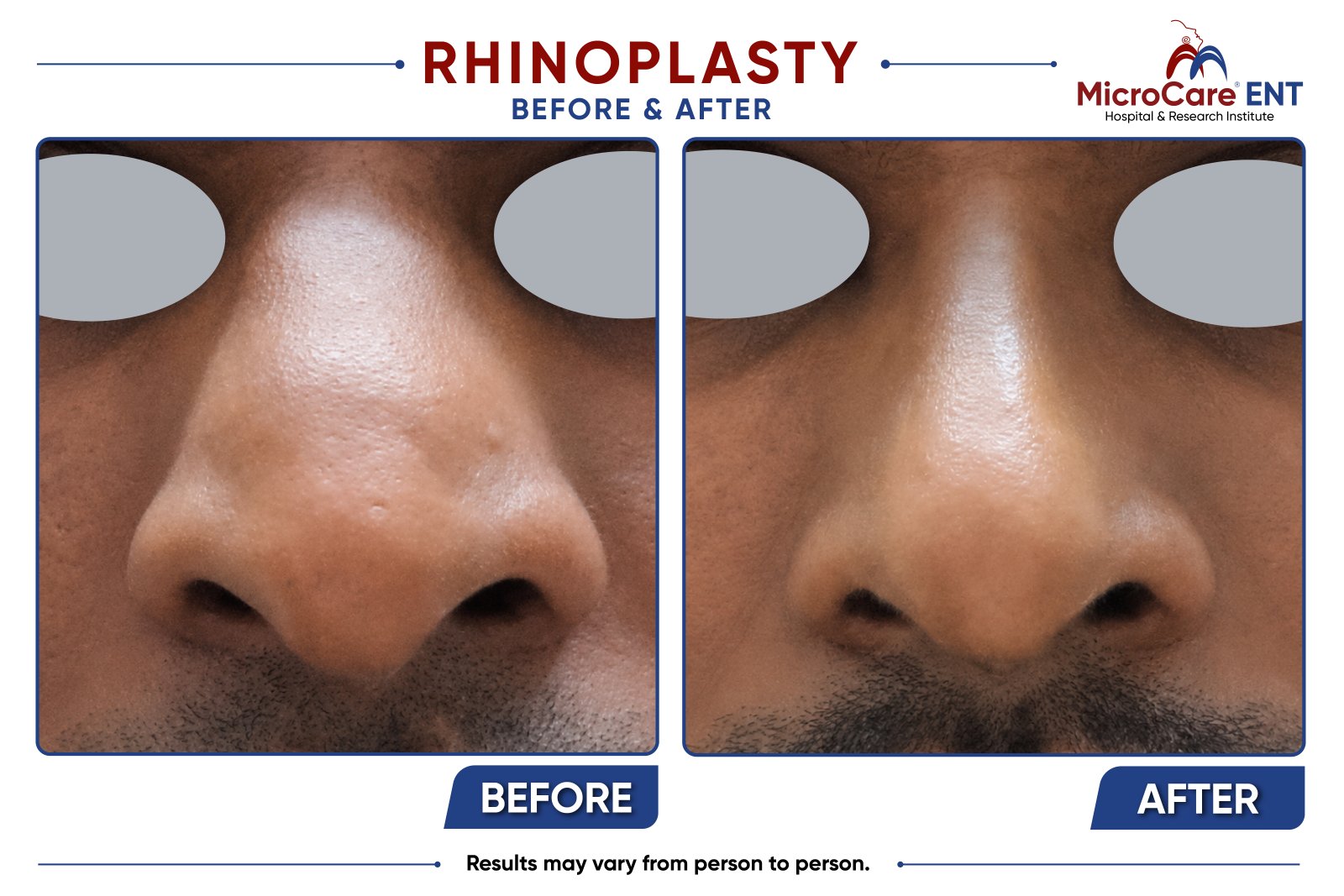
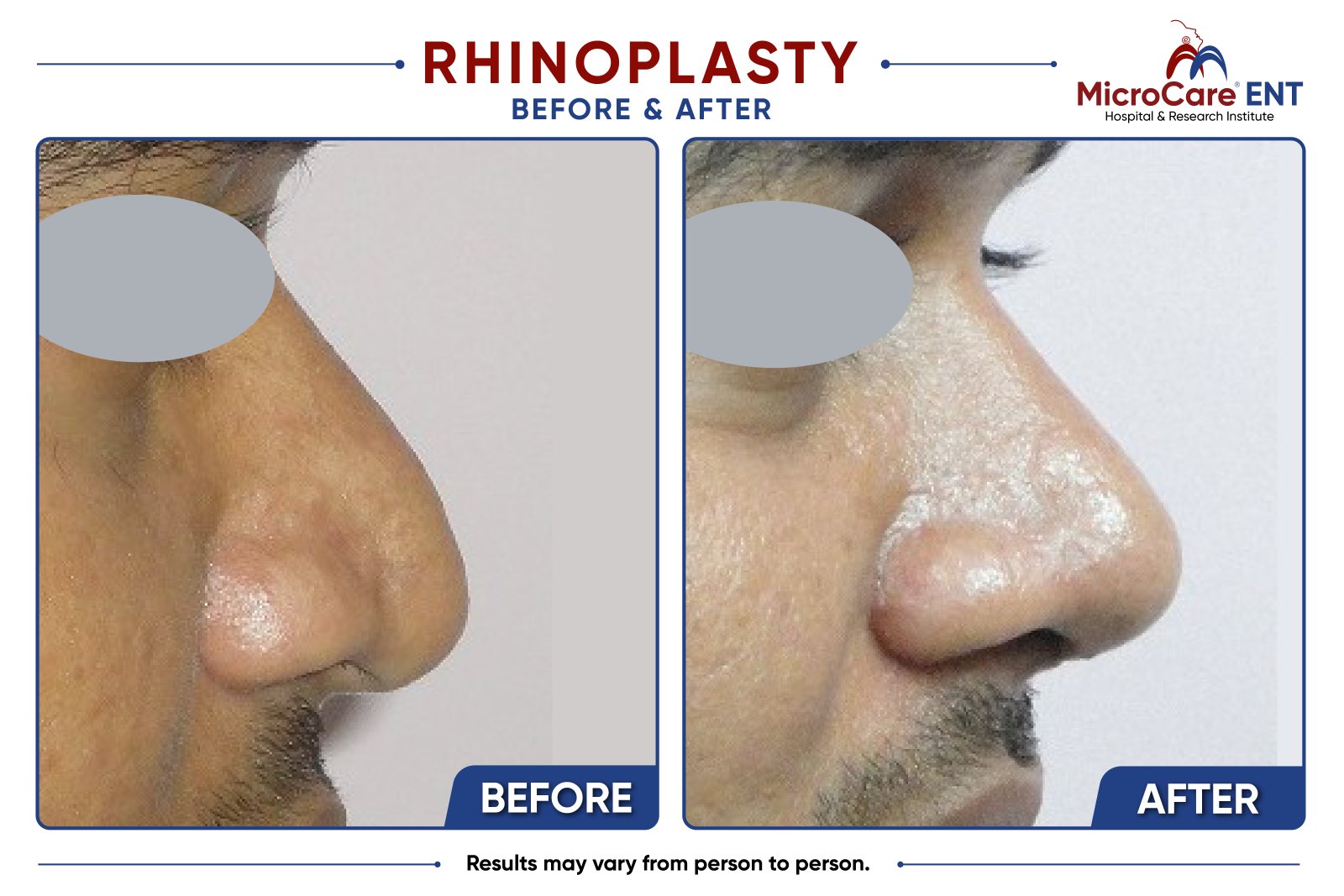
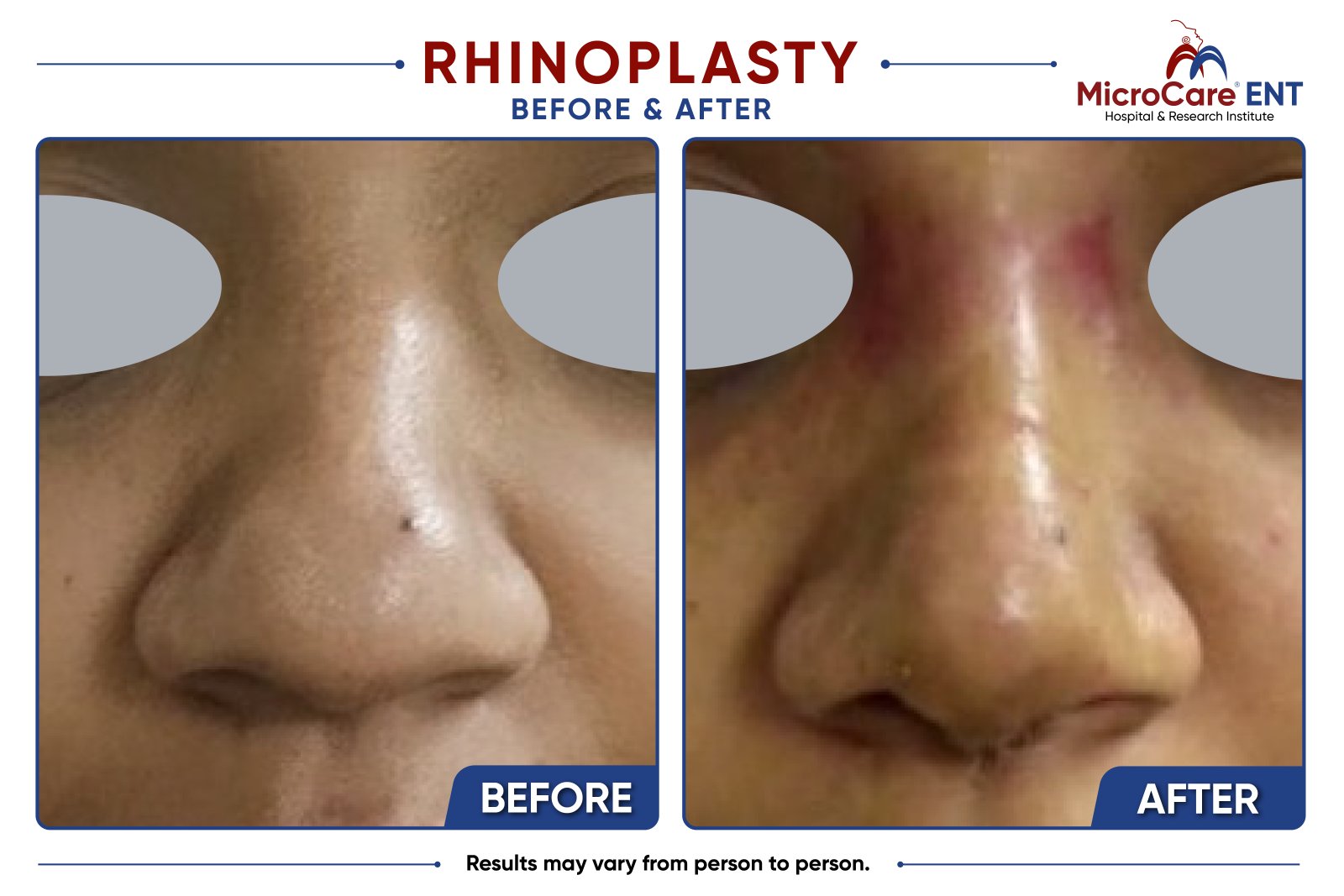
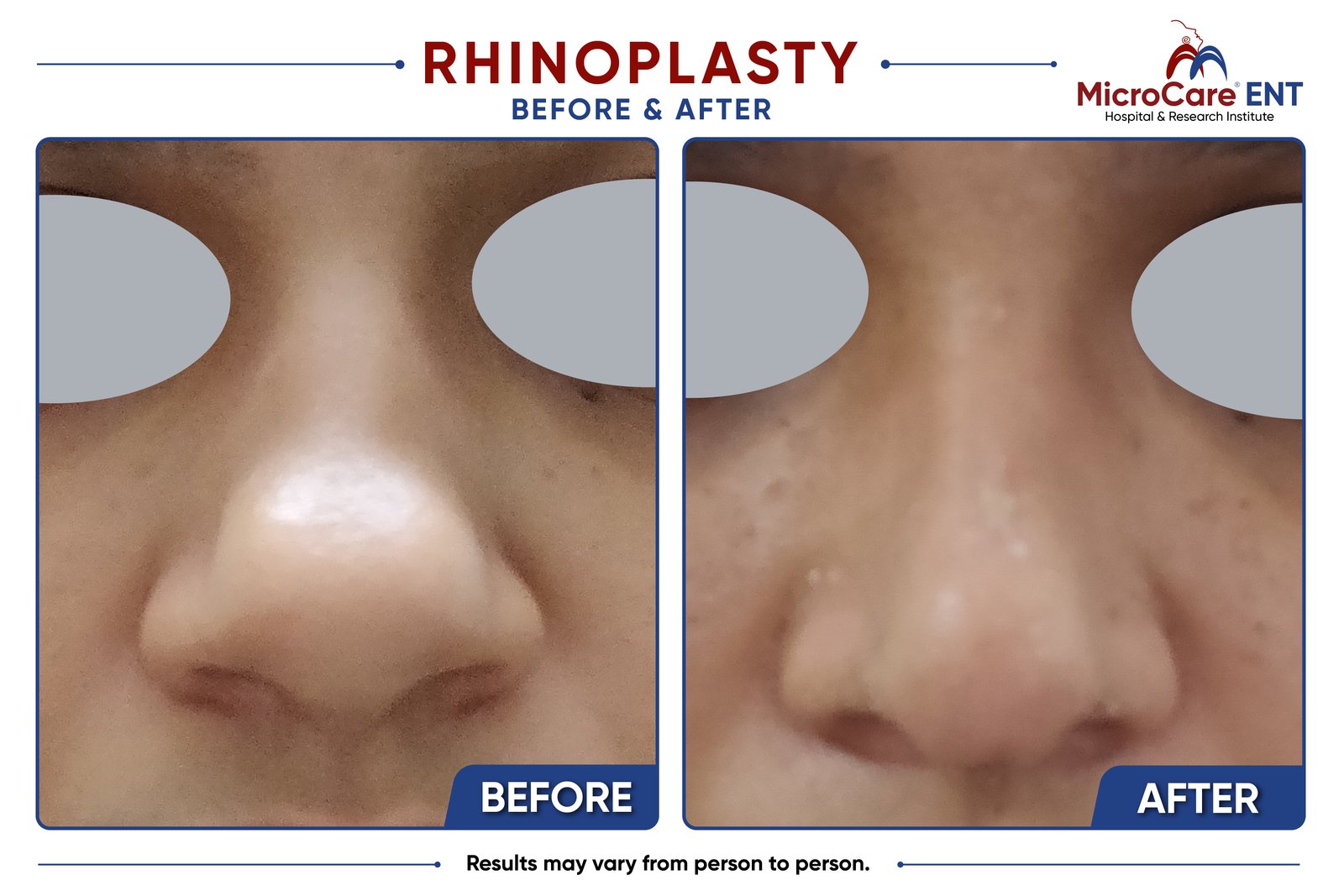
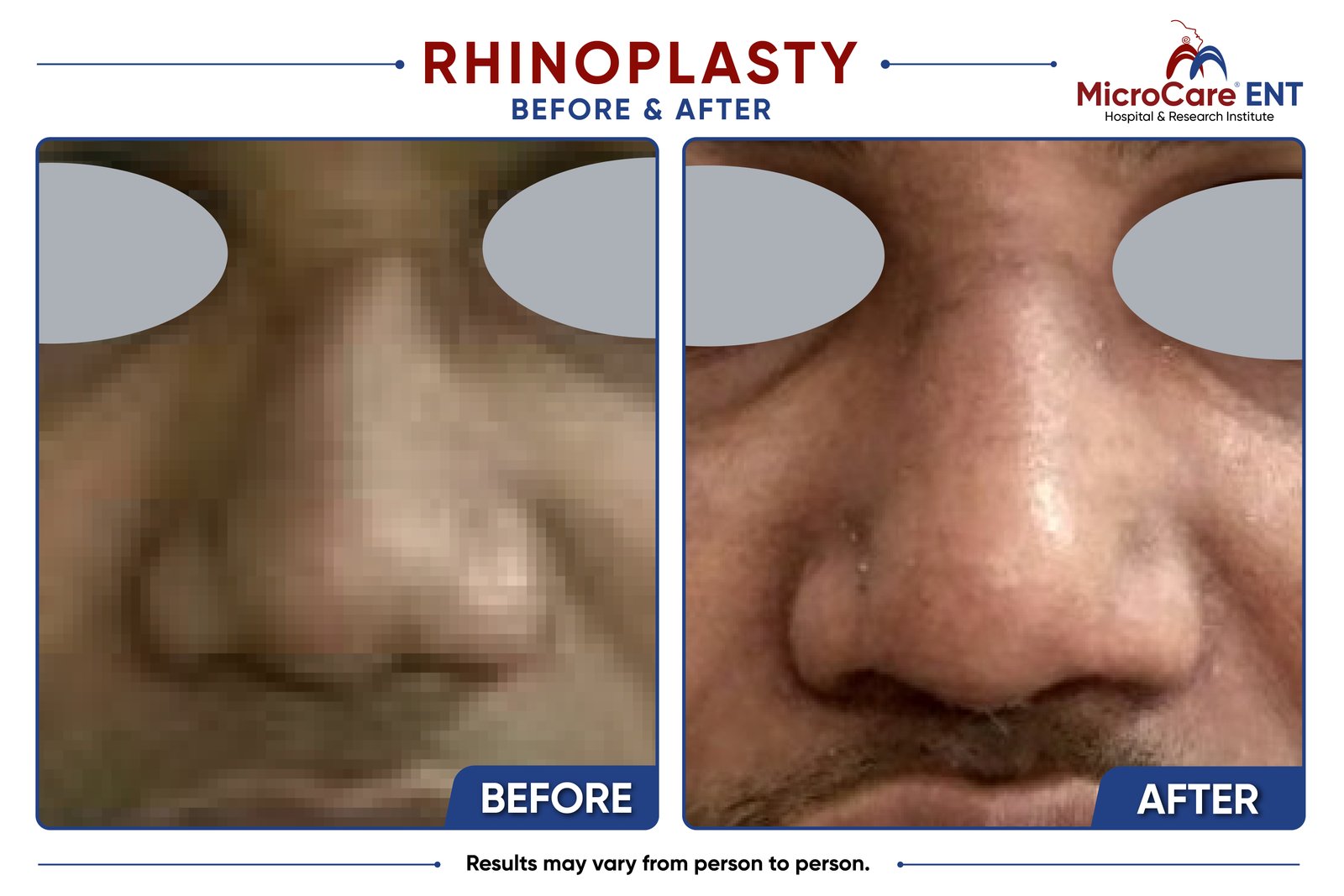
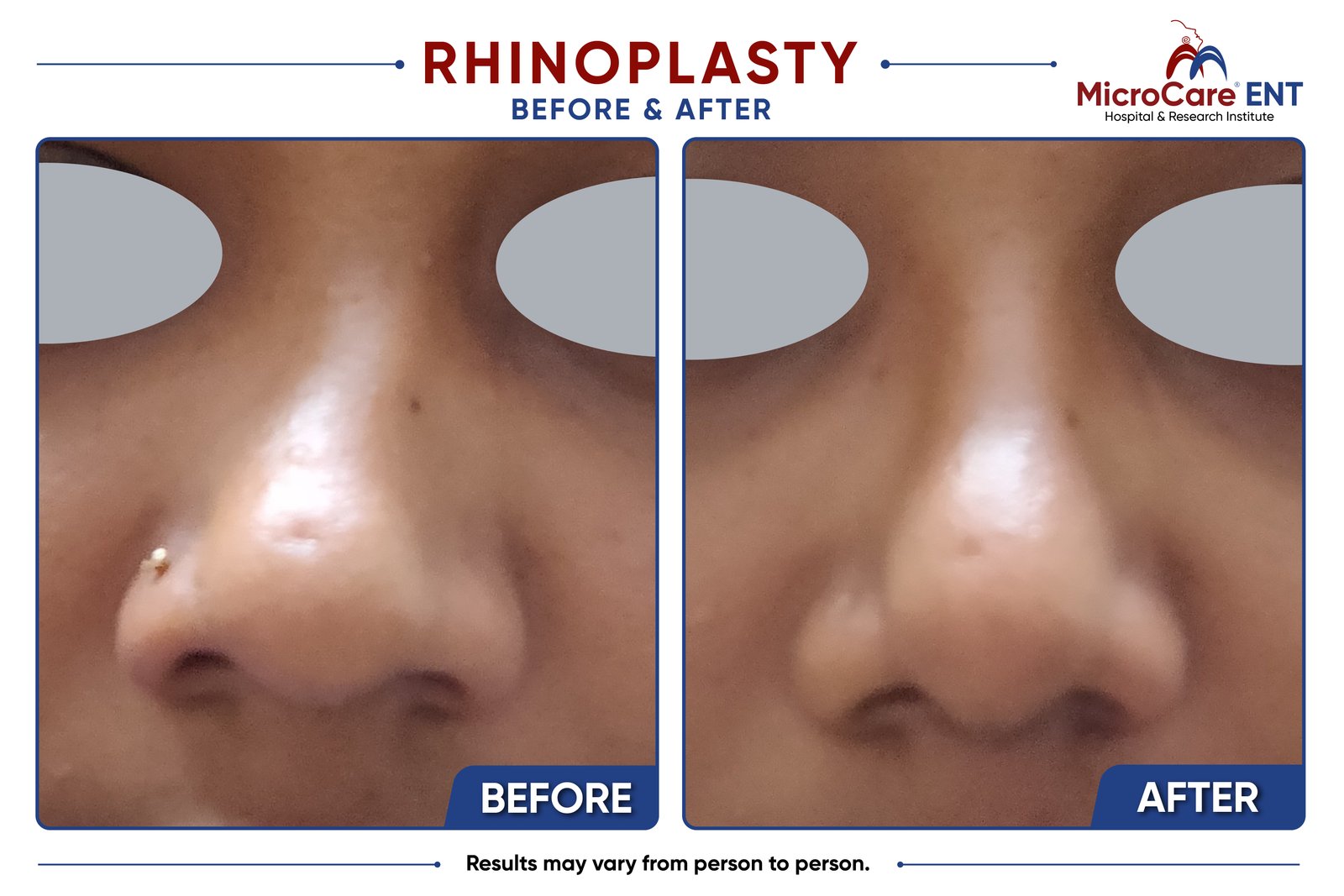
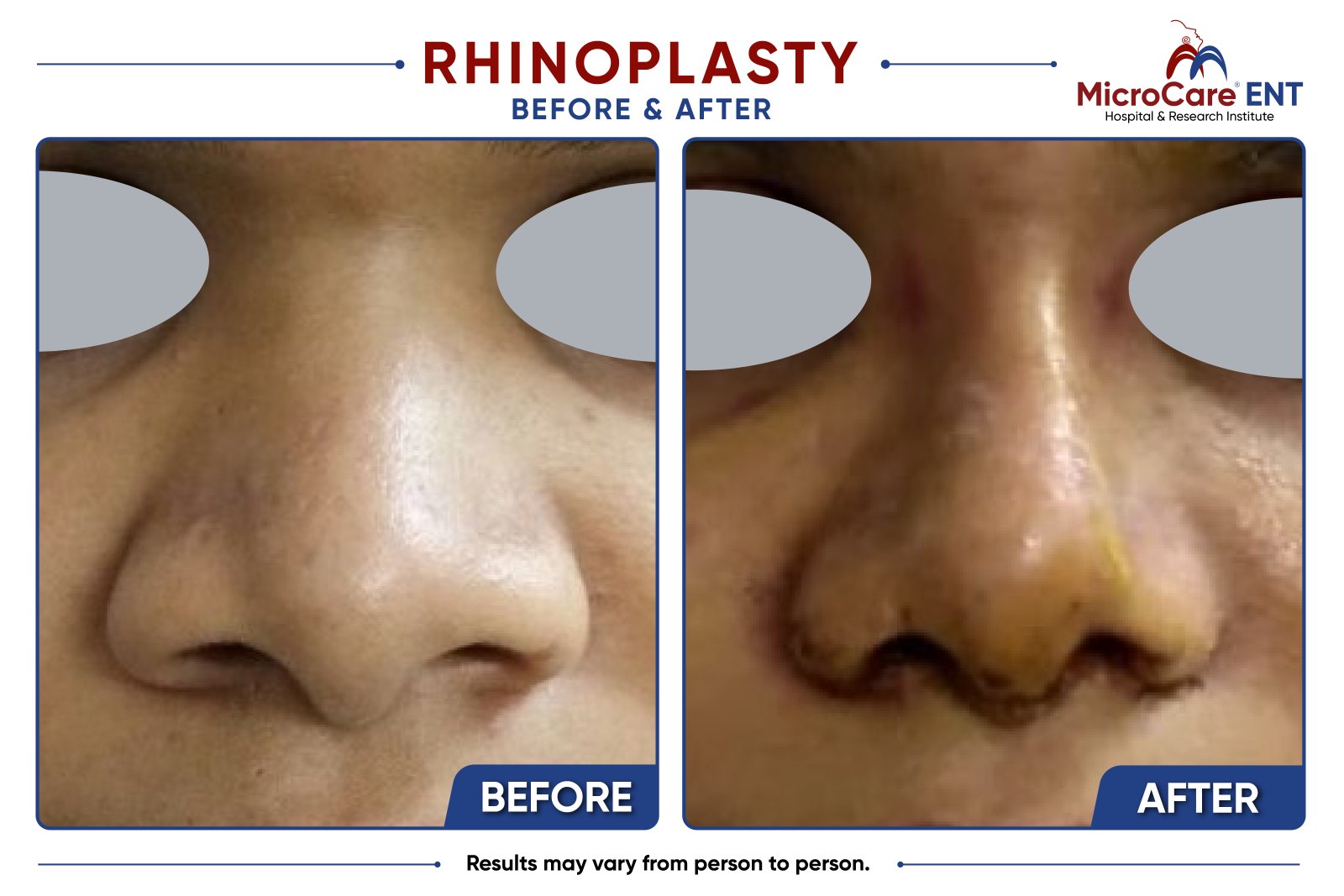
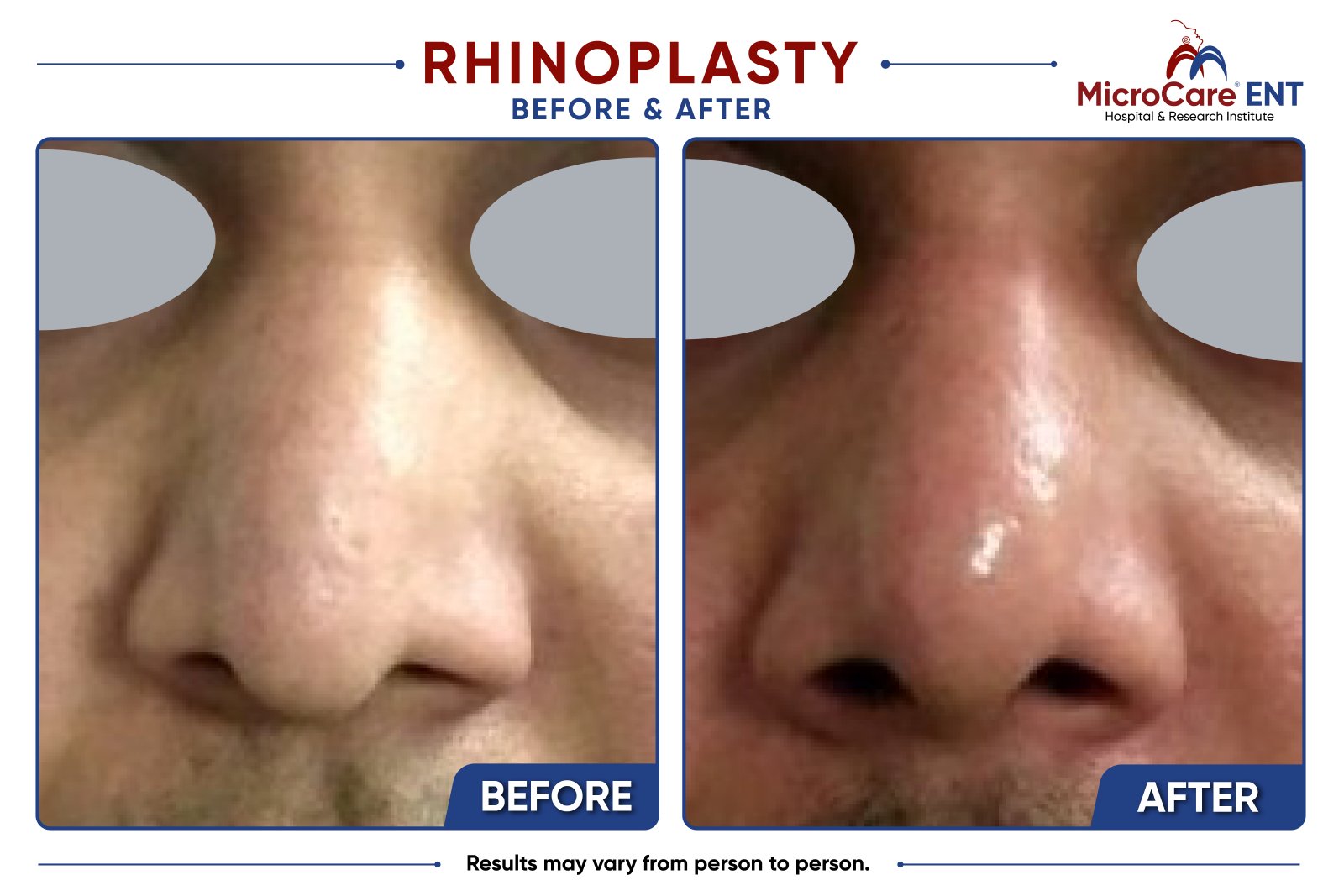
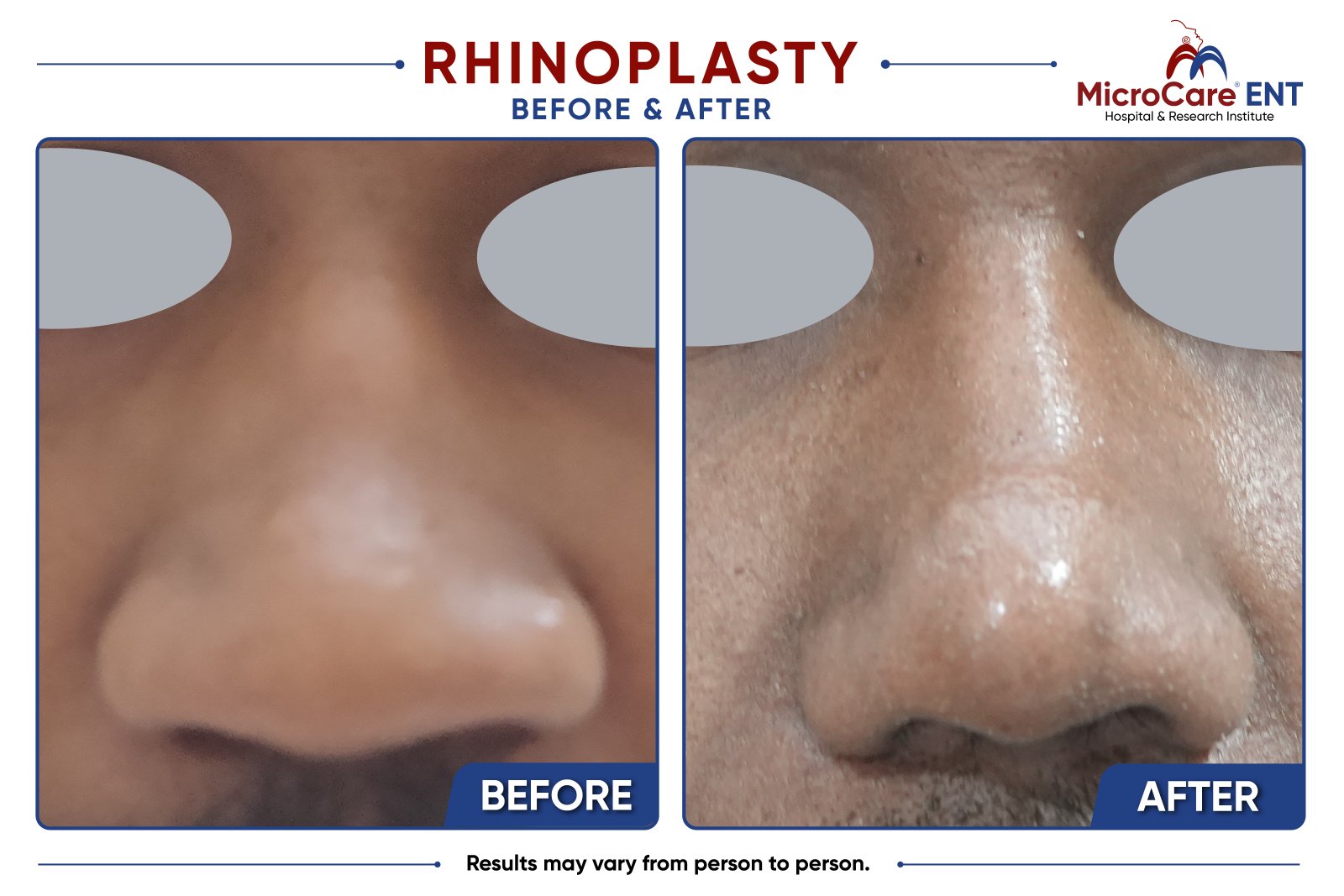
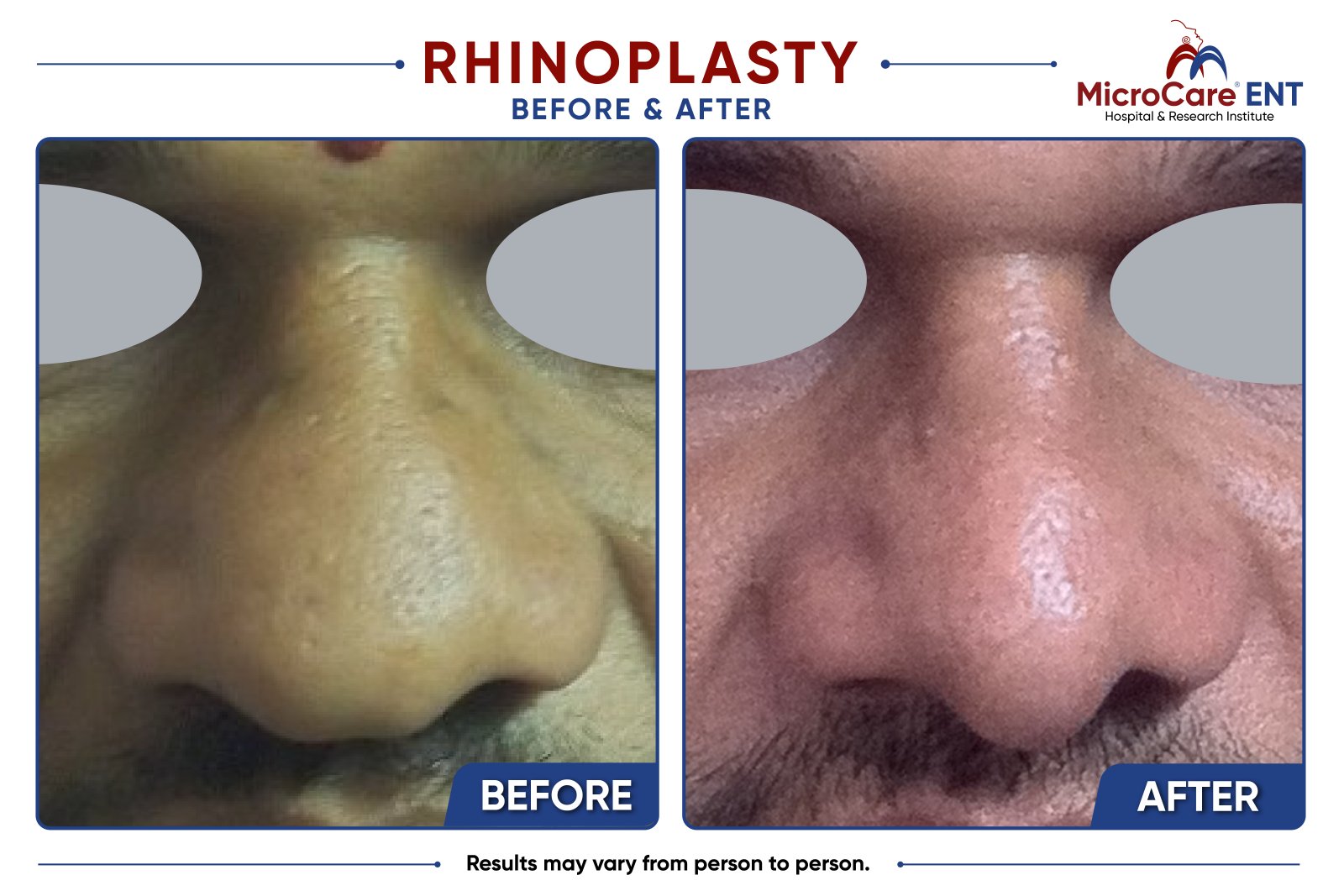
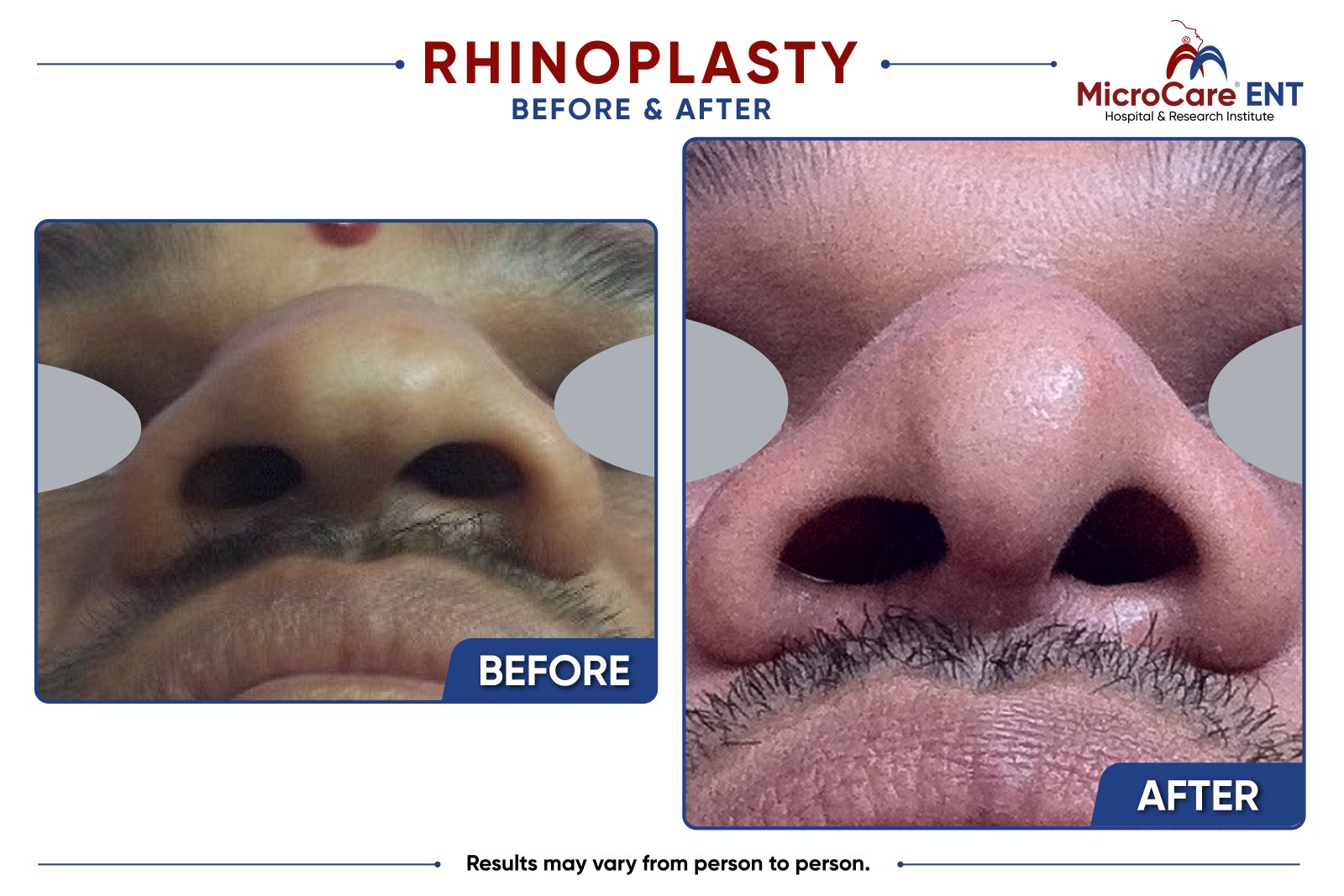
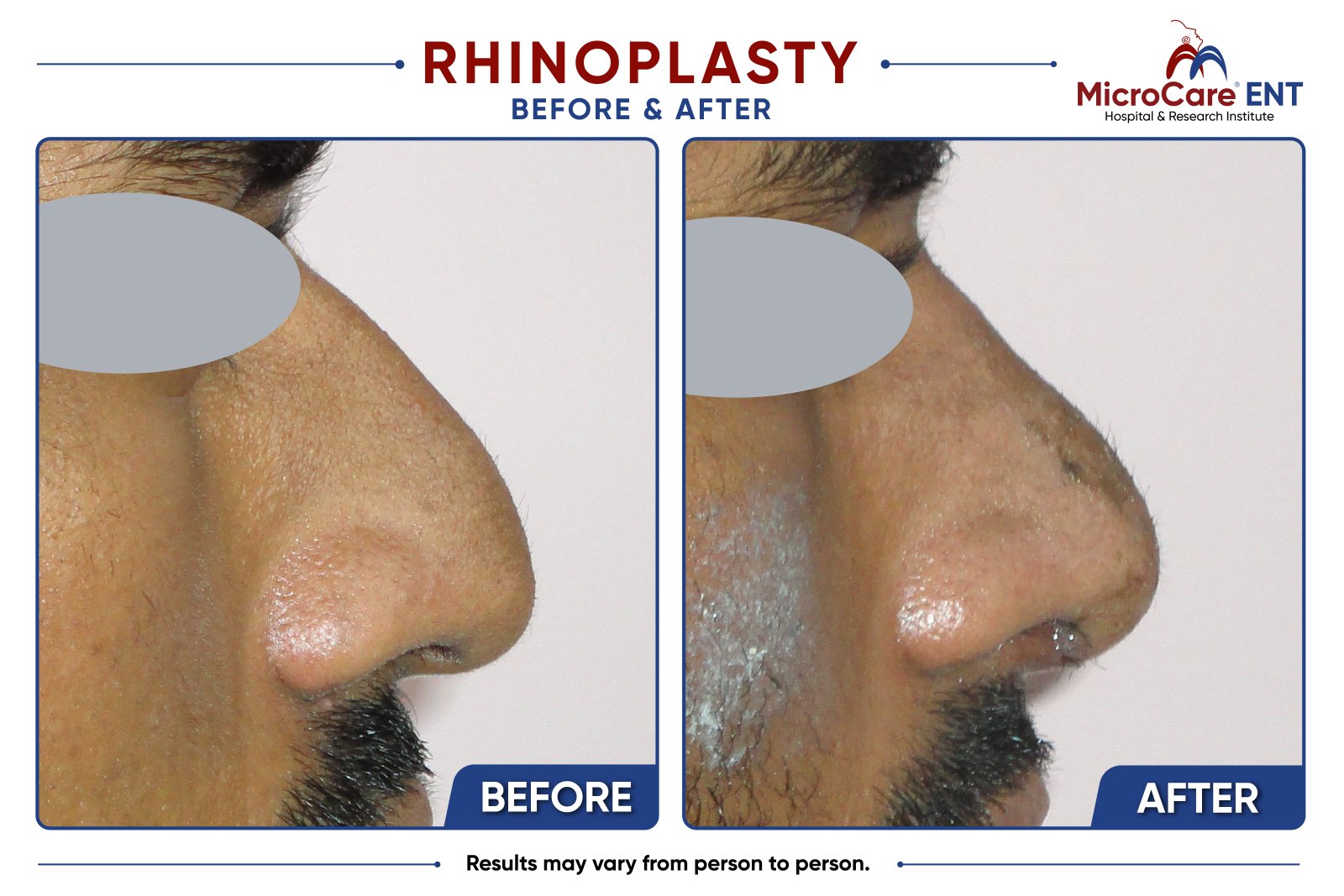
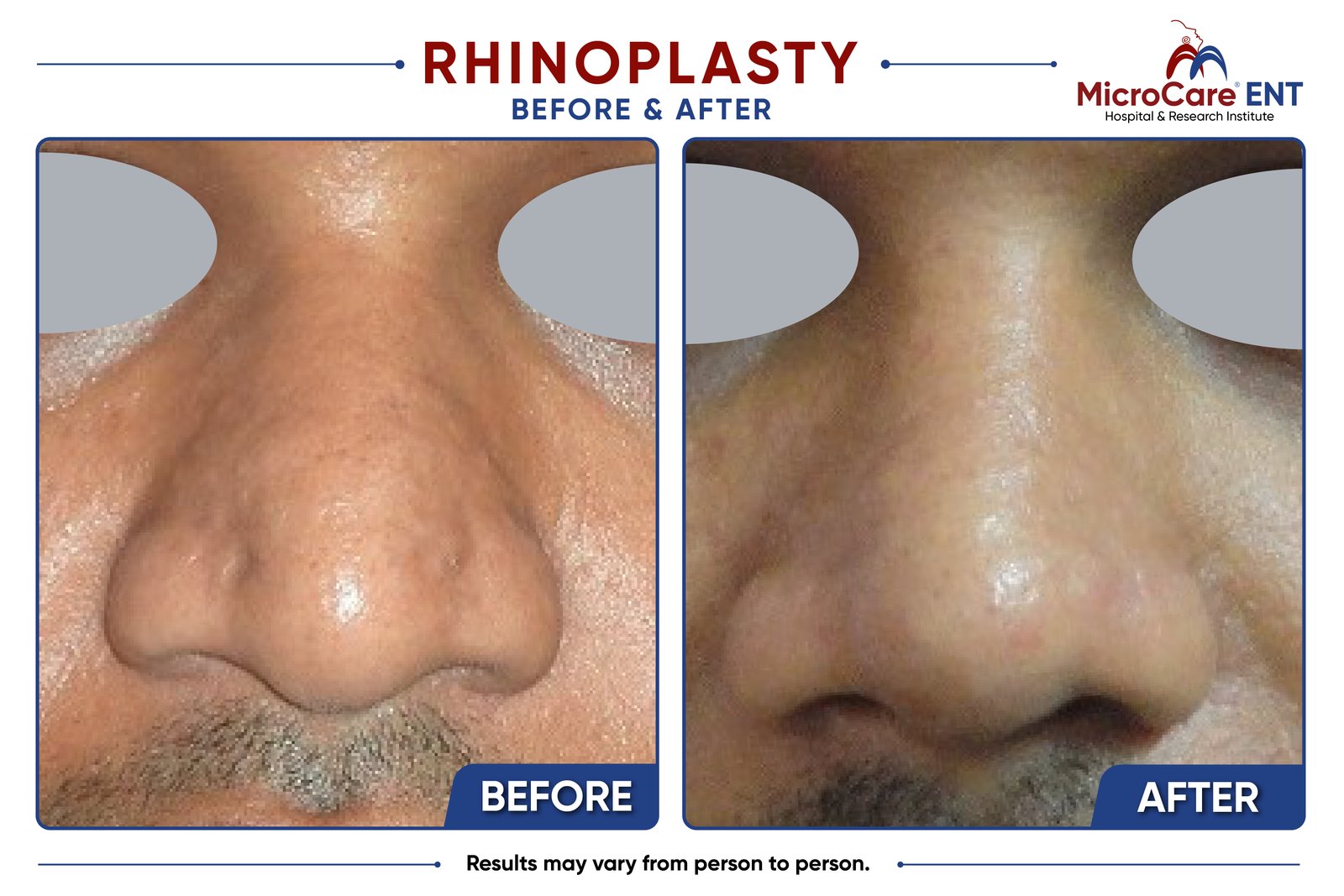
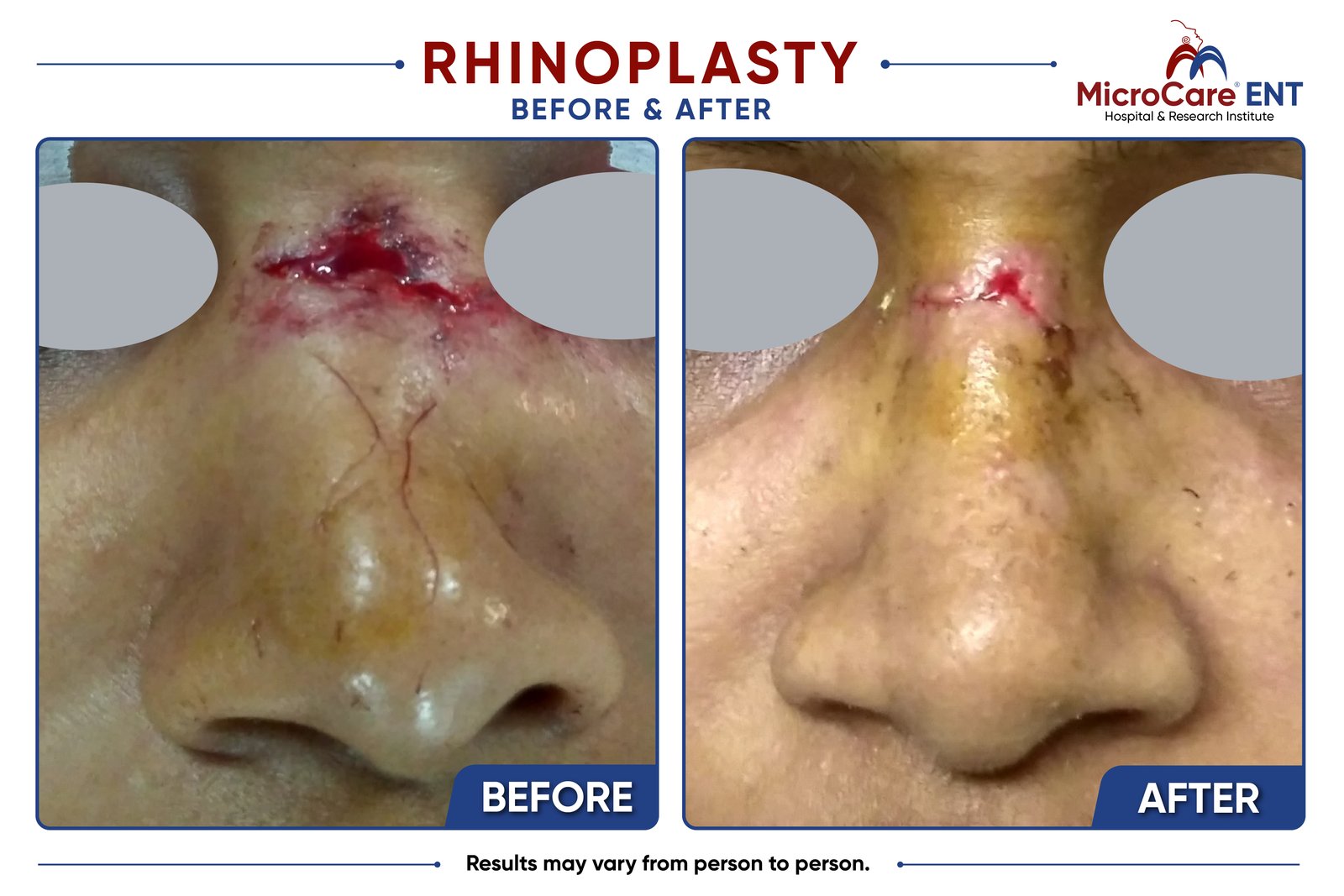
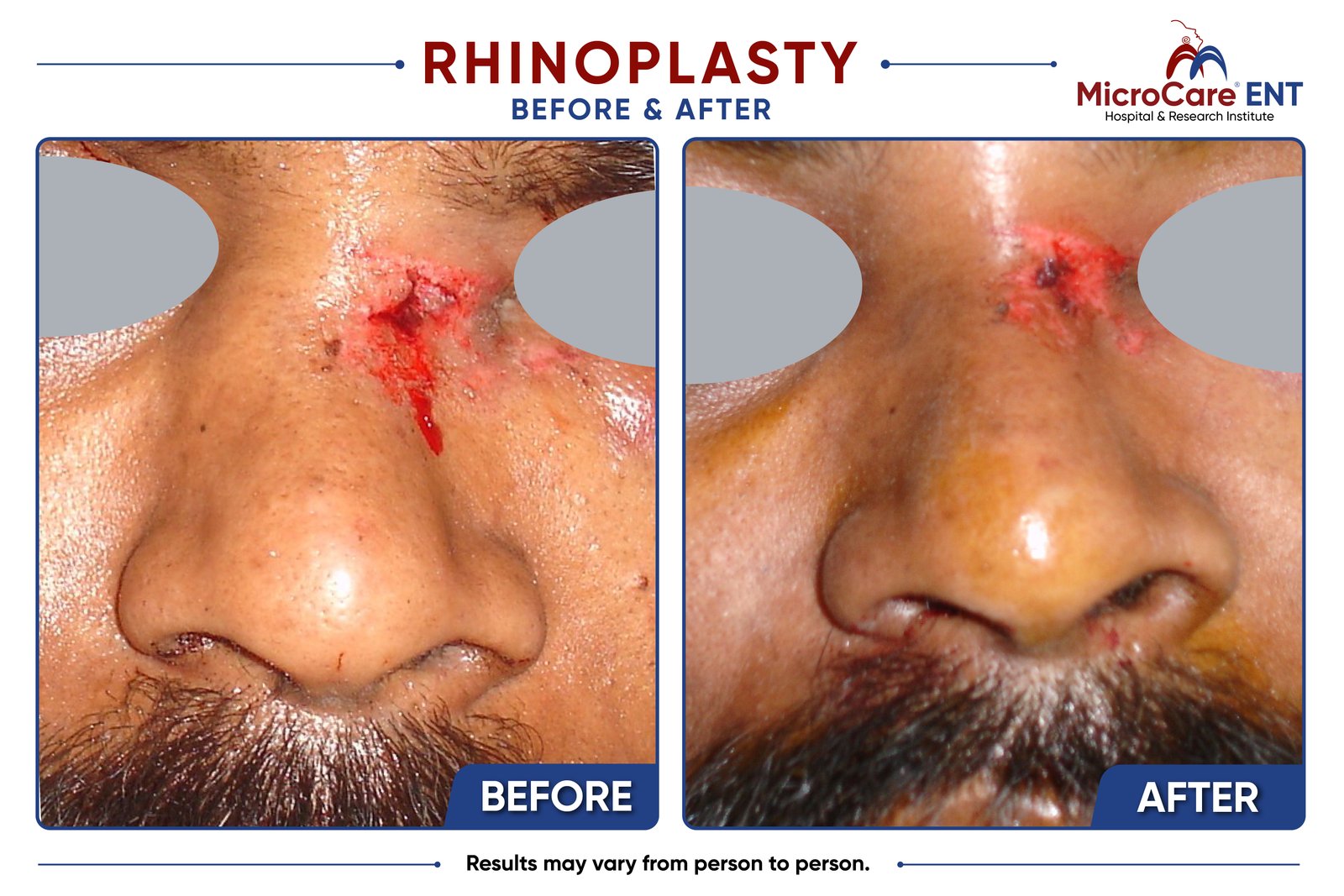
Photographs of patients of MicroCare ENT, shown with their consent. Every nose is different and individual results vary. See all before and after pictures.
The surgery
- Consultation with the familyHistory, nasal endoscopy, facial analysis and photographs, and a frank talk about goals and growth.
- A plan for the young faceYoung faces keep maturing into adulthood, so we aim for a natural nose that will suit the person at 30 and 40, not only at 18.
- Surgery under general anaesthesiaUsually 2 to 3 hours, by an open or closed approach, with breathing corrected in the same operation if needed.
- Structure, not just reductionCartilage from the septum is used to support the tip and the middle of the nose, so the result stays stable as the face matures.
- Going homeMost patients go home the same day or the next morning, with a splint on the nose.
For more complex noses
A small columella incision that usually fades to a faint line.
Open rhinoplastyPlanning around studies and sport
- Choose a break. Summer holidays or a gap between semesters works best.
- Avoid the weeks before exams, interviews or important events such as weddings.
- Online classes can usually resume within a few days.
- Tell the sports coach. Contact sports wait about 3 months.
Recovery
- Splint on the nose
- Swelling and some bruising
- Splint removed at about day 7
- Classes from 7 to 10 days
- Most bruising fades by 2 weeks
- Gym, running and swimming
- Glasses can rest on the nose
- Contact sports after about 3 months
- Final shape at 6 to 12 months
Cost and insurance
The cost depends on whether the surgery is cosmetic, functional or both, the approach, any grafts, and the hospital stay.
Why choose MicroCare ENT

ENT, head and neck specialists
Led by Prof. Dr. Sriprakash Vinnakota, with more than 26 years of experience, so breathing is protected along with appearance.
Honest advice for families
We tell you when the time is right, and when it is better to wait.
Results that last
Structural techniques that keep the nose stable as a young face matures.
Honest, patient-centred care
Realistic advice, itemised quotes and follow-up for up to one year in an NABH-accredited hospital.

Prof. Dr. Sriprakash Vinnakota
MS (ENT, Head & Neck) · Chief Rhinoplasty Surgeon, Centre for Advanced ENT, Head & Neck Surgery, MicroCare ENT Hospital & Research Institute
More than 26 years in ENT surgery, with endoscopic sinus surgery training at the University of Graz, Austria, and rhinoplasty training at Marien Hospital, Stuttgart, under Prof. Dr. Wolfgang Gubisch.
Frequently asked questions
What is the minimum age for rhinoplasty?
There is no single number, because what matters is whether the nose has finished growing. For most girls that is about 15 to 16 years and for most boys about 17 to 18 years. We confirm it from your growth, your examination and, when needed, your growth history.
Can rhinoplasty be done before the nose stops growing?
Only for clear medical reasons, such as a recent nasal fracture, a severe septal deviation that blocks breathing, or a nose deformity linked to a cleft lip. These procedures are kept as conservative as possible so that growth is not disturbed. Purely cosmetic changes wait until growth is complete.
Do I need my parents' consent?
Yes. If you are under 18, a parent or legal guardian must give consent and should attend the consultation with you. We like parents to be involved even after 18, because their support makes recovery easier.
Will my nose keep changing after surgery?
If the operation is done after growth has finished, the shape stays stable once swelling settles over 6 to 12 months. This is exactly why we wait for growth to be complete before cosmetic surgery.
When is the best time to have surgery around exams?
Plan it for a holiday or a break between semesters. Most students return to classes in 7 to 10 days, once the splint is off, but you will want some quiet time for swelling to settle before exams or important events.
Can I play sports after rhinoplasty?
Light walking can begin within days. Gym, running and swimming usually resume at 4 to 6 weeks, and contact sports such as cricket, football or martial arts are best avoided for about 3 months to protect the nose.
Does rhinoplasty at a young age need to be redone later?
Not if it is done at the right time and with good structural support. Most young patients keep their result for life. A small revision is needed in a minority of patients, at any age.
What if my child is unhappy with their nose because of teasing?
Take the concern seriously and talk about it openly. We meet the young person and the family together, discuss what is realistic, and sometimes advise waiting. Surgery is only offered when the wish to change comes from the young person themselves and their expectations are realistic.
See also primary rhinoplasty, septorhinoplasty and our FAQs.
Begin with a conversation
Come in together to meet Prof. Dr. Sriprakash Vinnakota and talk about the nose, breathing and timing, or send front and side photos on WhatsApp for an initial opinion. Leave your name and number and we will open WhatsApp with your details filled in, or call +91 94949 40725.